
🧪 Oxytocin Peptide (Research Grade)
Oxytocin is a synthetic peptide compound developed for scientific and laboratory research applications. Specifically, it is studied in controlled environments involving neurochemical signaling, receptor interaction systems, and peptide-based communication pathways.
In addition, this research-grade compound is formulated with a strong emphasis on purity, consistency, and reliable laboratory performance. Because of this, Oxytocin is widely referenced in neuroscience and peptide research fields.
Furthermore, its well-characterized peptide structure makes it suitable for structured experimental analysis and receptor-focused biological studies.
🧬 Compound Overview
Oxytocin is a naturally occurring peptide hormone that has been synthesized for controlled laboratory research purposes. Due to its molecular structure, it is frequently examined in studies involving neurochemical signaling and receptor-binding systems.
Moreover, researchers value Oxytocin for its reproducibility and stability under controlled laboratory conditions. As a result, it is commonly selected for peptide signaling research and biochemical interaction studies.
In many laboratory environments, Oxytocin is included in studies involving:
- Neurochemical communication systems
- Peptide-receptor interaction models
- Behavioral signaling research
- Experimental neuroscience pathways
Additionally, its standardized formulation supports accurate and repeatable scientific analysis.
⚗️ Research Applications
Oxytocin is intended strictly for scientific and laboratory research purposes only. Therefore, it is not intended for human consumption, therapeutic use, or medical application.
Although research applications may vary, Oxytocin is commonly explored in several specialized laboratory models.
Neurochemical Signaling Research
Specifically, researchers study Oxytocin in models involving neurotransmitter and peptide communication systems.
Receptor Interaction Studies
In addition, it is frequently used in experimental systems examining peptide-receptor binding and signaling pathways.
Behavioral Neuroscience Models
Similarly, laboratory analysis often focuses on behavioral and neurochemical response systems involving peptide signaling.
Experimental Biology Research
Finally, Oxytocin is included in broader biological and biochemical studies involving molecular communication pathways.
🧪 Format & Handling
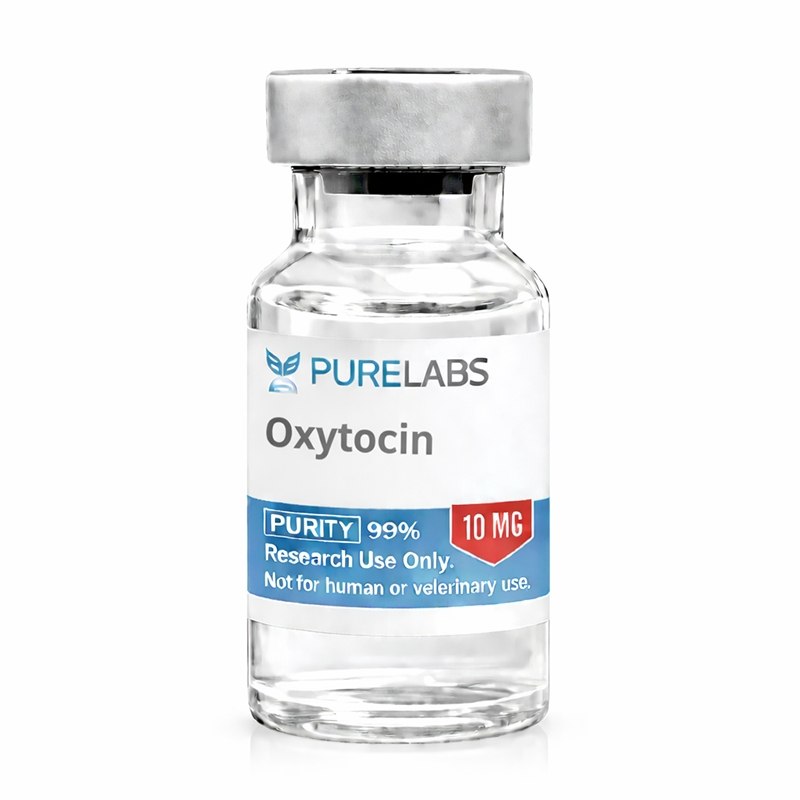
Oxytocin is typically supplied in a stable, research-ready format designed for laboratory applications.
Common Formats
- Lyophilized (freeze-dried) peptide powder
- Sterile sealed research vial
- Research-use nasal solution format
In addition, proper storage and handling procedures are essential to maintain peptide stability, integrity, and consistency during research use.
For best laboratory practice, products should be stored under recommended environmental conditions. Likewise, all handling should follow established scientific safety protocols.
🛠 Quality & Standards
This peptide is manufactured under controlled laboratory conditions with a strong focus on:
- Purity
- Stability
- Batch consistency
- Reliable research performance
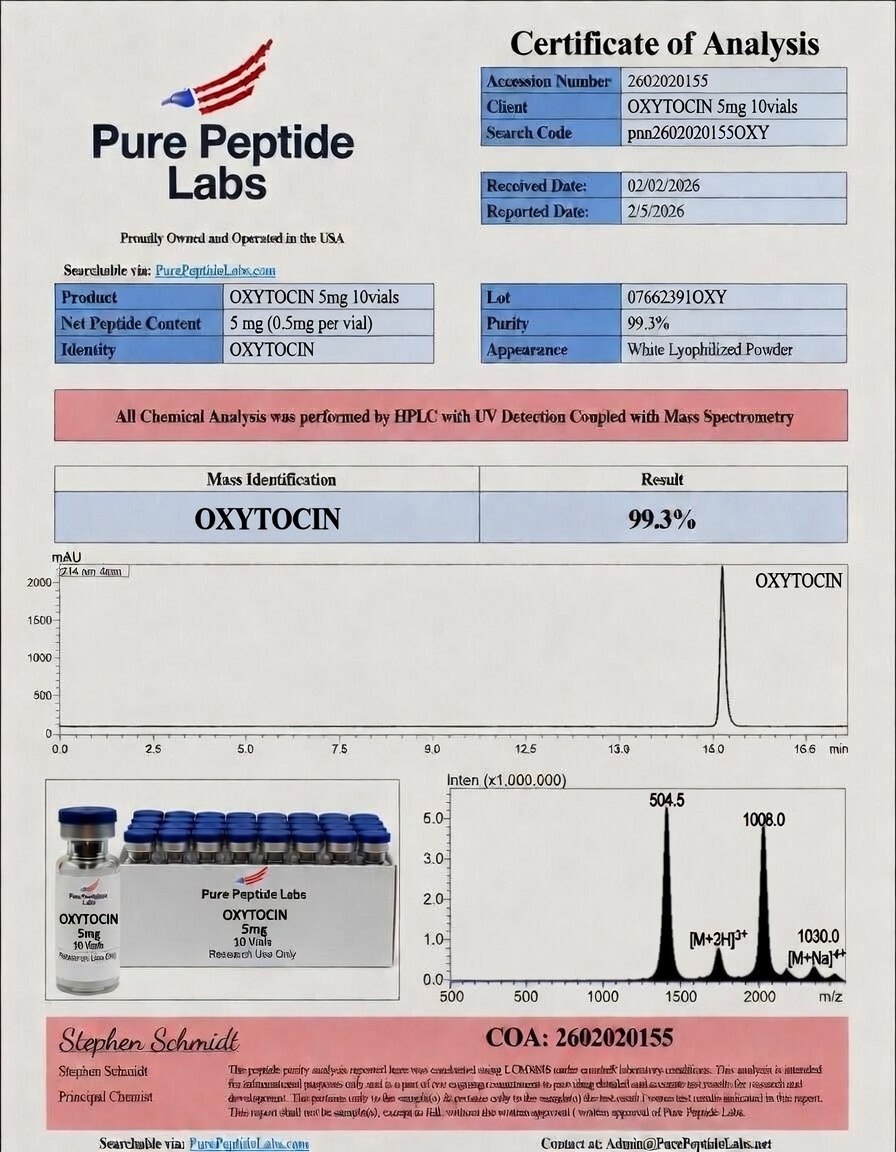
Because of these standards, strict quality-control procedures are applied throughout production.
As a result, researchers can expect a dependable compound suitable for repeatable experimental outcomes.
Furthermore, each batch is carefully prepared to support accurate laboratory analysis and structured scientific investigation.
⚠️ Important Notice
Oxytocin is intended for research purposes only.
It is not for human consumption, medical use, or therapeutic application.
Always follow all applicable laboratory safety standards, regulations, and handling procedures.
🚀 Why Choose Oxytocin?
Oxytocin is widely recognized in peptide and neuroscience research due to its well-characterized structure and receptor-focused signaling activity.
In particular, researchers value it for:
- Neurochemical pathway studies
- Peptide signaling analysis
- Receptor interaction research
- Behavioral neuroscience models
Additionally, its stability and reproducibility make it suitable for advanced scientific investigation.
As a result, Oxytocin remains an important compound in peptide-based laboratory research.
| Weight | 5mg 10vials, 10mg 10vials, 20mg 10vials |
|---|
Be the first to review “Oxytocin Peptide | Research Grade Neurochemical Compound”
Related products
Reviews
There are no reviews yet.